You search something on Google and before you even click a result, the answer is already there. No scrolling. No multiple tabs. Just instant information.
This is what Zero Click Searches look like and they’re no longer a small trend. They’re becoming the default way people interact with search. For most websites, this creates a concern: if users don’t click, where does the traffic come from?
But here’s the shift most businesses miss search today is not just about clicks. It’s about visibility, positioning, and being the source of information.
In this guide, we’ll break down how zero click search SEO actually works, why it’s growing so fast, and how you can turn it into an advantage instead of a loss.

What Are Zero Click Searches
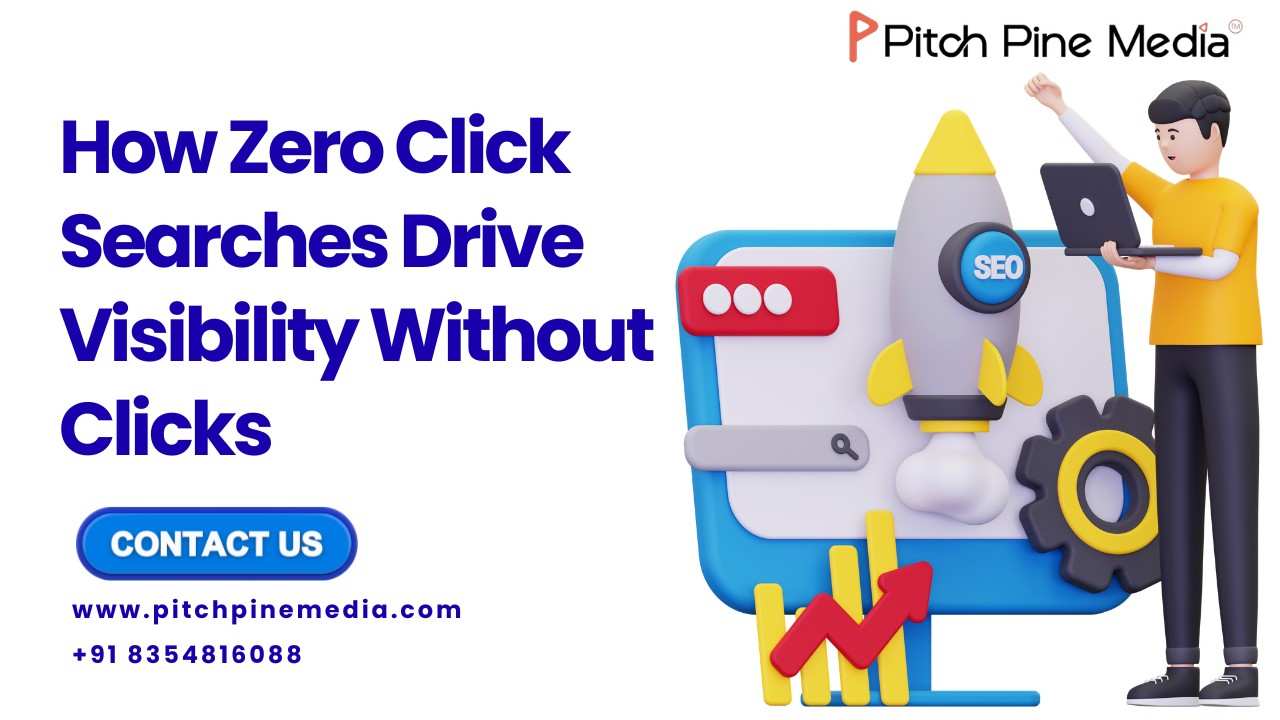
A zero click search happens when a user finds their answer directly on the search results page without visiting any website.
You’ve likely seen this in:
- Featured snippets
- “People also ask” sections
- Quick definitions
- AI-generated summaries
In these cases, the answer still comes from a website but the user may never click through.
These are often referred to as zero click results, where users get information directly without visiting a page.
Why Zero Click Searches Are Increasing
This shift is not random; it’s driven by how modern search engines are evolving.
Search platforms are now designed to deliver faster, more direct answers. Across multiple SEO projects, this pattern is clear: users prefer speed over exploration.
Key factors include:
- Mobile-first browsing behavior
- Growth of voice search queries
- AI systems summarizing content
- Preference for quick, scannable answers
Because of this, ranking alone is no longer enough. Visibility within search results has become just as important. This shift has also accelerated with AI search systems, where AI-generated summaries pull content directly from websites changing how click searches work in real scenarios.
Does “No Click” Mean No Value?
Not at all.
Even without clicks, your content can still:
- Build brand recognition
- Establish authority in your niche
- Influence future search behavior
- Drive indirect traffic later
In many cases, users first discover a brand through a snippet and return later when they need deeper information. This is why zero click visibility plays a critical role in long-term SEO strategy.
How to Optimize for Zero Click Search SEO
You can’t avoid zero click searches but you can position your content to benefit from them.
1. Answer Questions Early
- Content that delays answers often gets ignored.
- Start with a direct response, then expand.
- Across multiple content optimizations, pages that answer early are more likely to be featured.
2. Use Featured Snippet Optimization Techniques
Most snippet-friendly content follows a clear structure:
- Question-based heading
- Direct 40–60 word answer
- Supporting explanation
Formats that work best:
- Bullet points
- Numbered lists
- Short definitions
This is where featured snippet optimization becomes essential.
This is where featured snippet SEO plays a major role, helping your content appear in zero click positions on Google.
3. Structure Content for Easy Scanning
Search engines favor content that’s easy to extract.
Instead of long blocks:
- Use shorter paragraphs
- Add clear subheadings
- Keep sentences simple
If it’s easy for users to scan, it’s easier for search engines to use.
4. Target High-Intent Queries
Not all keywords trigger zero click results.
Focus on queries like:
- “What is…”
- “How to…”
- “Why does…”
These are more likely to appear in snippets and AI answers.
These types of queries often trigger zero click search examples, where answers are shown instantly on the search page.
5. Build Topic Depth, Not Just Single Blogs
One article is rarely enough. Search engines trust websites that cover a topic from multiple angles. This creates stronger topical authority and improves chances of appearing in zero click features.
Today, SEO without clicks is becoming a practical reality, where visibility matters as much as traffic.
Real-World Application
In practice, improving zero click visibility doesn’t require rewriting everything.
Small, strategic changes often deliver results:
- Adding direct answers below headings
- Updating older blogs with better structure
- Breaking large sections into readable parts
- Aligning headings with real search queries
Across different industries, these adjustments consistently improve snippet visibility and content reach.
The Shift You Should Pay Attention To
Search is moving toward:
- Instant answers
- Reduced browsing
- AI-driven summaries
Websites that rely only on rankings may struggle. Those that focus on clarity, structure, and intent tend to stay visible even without clicks.
Final Thoughts
Zero click searches are not something you can avoid and trying to fight them usually doesn’t work. The smarter approach is to adapt.
When your content is clear, structured, and aligned with user intent, it becomes part of the answer even if users don’t click immediately.
For businesses serious about long-term growth, this shift is less of a challenge and more of an opportunity. As Google searches continue to grow, businesses that adapt early will have a clear advantage in visibility, authority, and long-term organic growth.
If your website traffic isn’t growing despite good rankings, it may be time to rethink your SEO approach. Explore how Pitch Pine Media can help you optimize for zero click search visibility and real business impact.